Lighting is one of the most powerful tools in any built environment, yet it's often an afterthought. Whether you're designing a home, an office, or a hospitality space, the quality and design of your lighting has a profound effect on how people feel, work, and behave in that space.
Good lighting design isn't just about making a room bright enough to see in. It's about creating the right atmosphere, supporting the activities that happen in a space, and enhancing the architectural features that make a building unique. Done well, lighting transforms a space. Done poorly, it undermines everything else.
The Three Layers of Light
Professional lighting designers work with three fundamental layers:
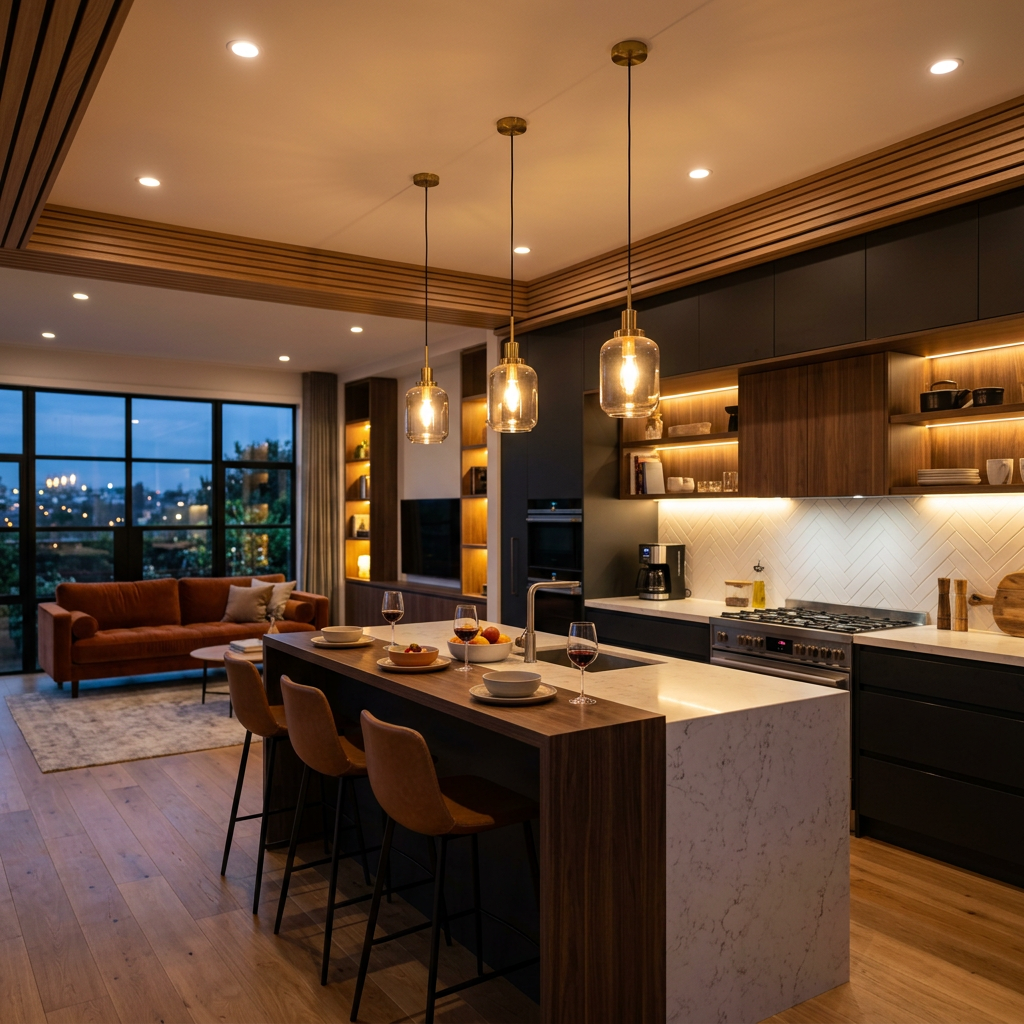
- Ambient (General) Lighting: The base layer, providing overall illumination to a space. Typically delivered via ceiling-mounted luminaires, downlights, or cove lighting.
- Task Lighting: Directed, focused light for specific activities, reading, cooking, working at a desk. Under-cabinet lighting in a kitchen or a desk lamp in an office are classic examples.
- Accent Lighting: Used to highlight architectural features, artwork, or decorative elements. Wall-washers, spotlights, and picture lights fall into this category.
The most successful spaces layer all three, with each contributing to a cohesive overall scheme.
Colour Temperature Matters
Measured in Kelvin (K), colour temperature has a significant impact on how a space feels:
- 2700K–3000K (Warm White): Relaxed and inviting, ideal for living rooms, restaurants, and hospitality environments.
- 3500K–4000K (Neutral White): Clean and focused, commonly used in offices, retail, and healthcare.
- 5000K–6500K (Cool/Daylight): High-energy and alert, suited to workshops, garages, and industrial environments.
Mixing colour temperatures within a space creates visual confusion. A consistent, well-considered scheme always performs better.
Lighting and Wellbeing
There is a growing body of research linking lighting quality to health and wellbeing. Circadian lighting, designed to support the body's natural rhythms, is increasingly being specified in workplaces, schools, and care homes. Poor lighting has been linked to eye strain, headaches, reduced productivity, and even disrupted sleep patterns.
Energy Efficiency and Compliance
Under Part L of the Building Regulations (Conservation of Fuel and Power), all new builds and significant refurbishments must meet minimum standards for lighting efficiency. LED technology has made it easier than ever to achieve beautiful, layered lighting schemes while maintaining compliance and dramatically reducing energy bills, typically by 60–80% compared to older fluorescent or halogen systems.
Why Use a Professional Electrical Contractor for Lighting Design?
At Relay Electrical Services, we offer in-house lighting design alongside our installation services. This means your lighting scheme is designed by the same team that installs it, ensuring the design intent is carried through perfectly, with no disconnect between the designer's vision and the final result.
Whether you're renovating a home in Somerset, fitting out a restaurant in Dorset, or planning a new commercial build, we can help you get the lighting right from the very beginning. Get in touch to find out more.
Need Expert Electrical Advice?
Relay Electrical Services cover Somerset, Dorset and the surrounding areas. Get in touch for a free, no-obligation quote.
Get a Free QuoteRelated service: Lighting Design
More Articles
Home Audio & Installed Sound: What Q Acoustics Brings to the Modern Home
6 October 2026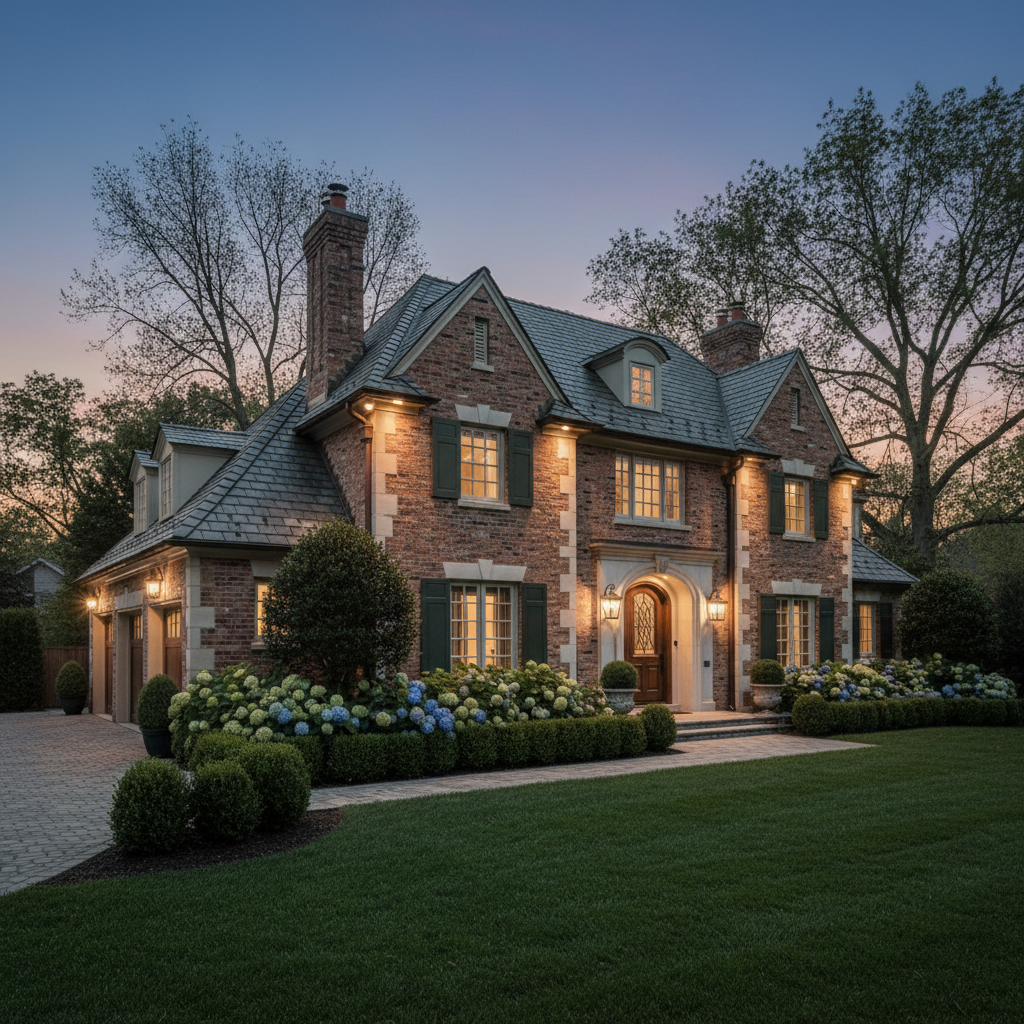
Large Renovation Projects in Somerset & Dorset: Why You Need a Professional Electrical Contractor
20 May 2026