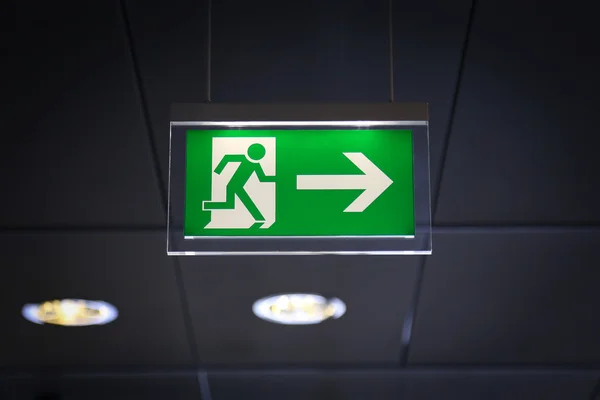
Emergency lighting is a legal requirement for most commercial and public buildings in the UK, but understanding exactly what's needed can be confusing. This guide explains the regulations, testing requirements, and what building owners and facilities managers need to do to stay compliant.
Emergency lighting is a critical component of any building's fire safety strategy. In the event of a mains power failure, whether through a fire, electrical fault, or deliberate isolation, emergency lighting ensures that occupants can safely evacuate the building.
What Does the Law Say?
Emergency lighting requirements in the UK are governed by several pieces of legislation and guidance:
- The Regulatory Reform (Fire Safety) Order 2005 (RRO): Requires the 'responsible person' of a non-domestic premises to carry out a fire risk assessment and put in place adequate means of escape, which includes appropriate emergency lighting.
- BS 5266-1:2016: The British Standard for emergency lighting in premises other than cinemas and certain other specified premises. This is the primary technical standard used in the UK.
- Building Regulations Part B: Covers fire safety in new builds and major refurbishments, requiring emergency lighting to be designed and installed as part of the approved scheme.
Which Buildings Need Emergency Lighting?
Under the Regulatory Reform (Fire Safety) Order 2005, any non-domestic building to which the public has access, or in which people are employed, must have a suitable means of escape illuminated in an emergency. This includes:
- Offices and commercial premises
- Retail shops and shopping centres
- Restaurants, pubs, and hospitality venues
- Hotels and guest houses
- Schools, colleges, and places of education
- Industrial and warehouse facilities
- Common areas of residential blocks
Types of Emergency Lighting
- Maintained: The luminaire is illuminated at all times, whether mains power is present or not.
- Non-Maintained: Only illuminates when mains power fails. This is the most common type.
- Escape Route Lighting: Ensures exit routes are safely illuminated to at least 1 lux at floor level.
- Open Area (Anti-Panic) Lighting: Reduces the risk of panic in larger open spaces, providing a minimum of 0.5 lux.
Testing Requirements
BS 5266-1 requires that emergency lighting systems are tested and maintained regularly:
- Monthly: A brief functional test (flick test) to confirm all luminaires illuminate.
- Annually: A full duration discharge test, typically 1 or 3 hours depending on the system category.
- Records of all tests must be kept in a logbook and made available to inspectors.
Failure to maintain adequate emergency lighting can result in enforcement action from the local fire and rescue service, improvement notices, or in serious cases, prosecution.
At Relay Electrical Services, we design, install, and maintain emergency lighting systems for businesses across Somerset and Dorset. We ensure full compliance with BS 5266-1 and the Regulatory Reform (Fire Safety) Order 2005. Contact us to discuss your requirements.
Need Expert Electrical Advice?
Relay Electrical Services cover Somerset, Dorset and the surrounding areas. Get in touch for a free, no-obligation quote.
Get a Free QuoteRelated service: Emergency Lighting
More Articles
Home Audio & Installed Sound: What Q Acoustics Brings to the Modern Home
6 October 2026
Large Renovation Projects in Somerset & Dorset: Why You Need a Professional Electrical Contractor
20 May 2026